Strength training is trending. Everyday capability is the bigger story.
What the 2026 fitness conversation gets right about resistance exercise, and how to approach it without copying an extreme workout.
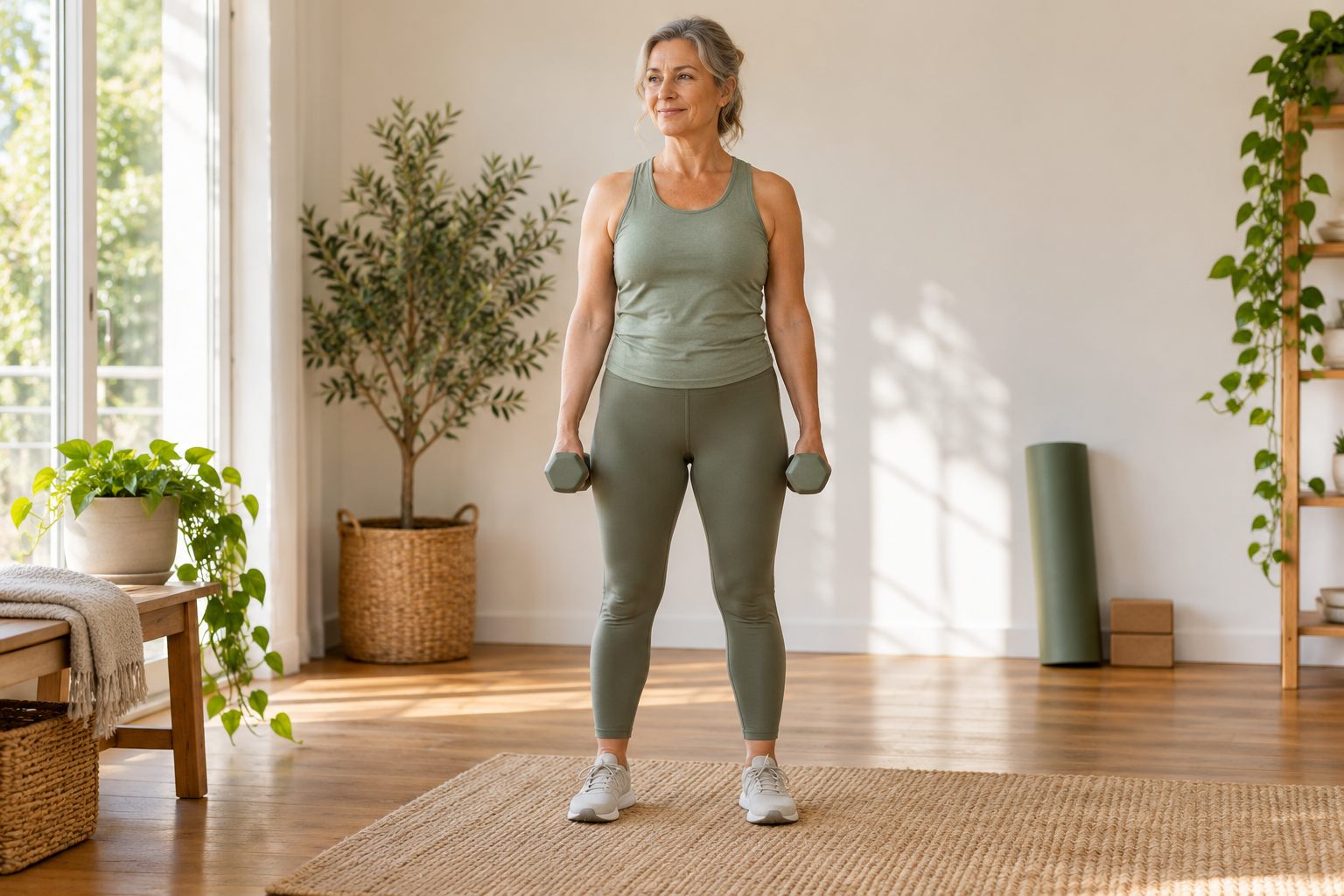 AI-generated illustration
Why strength is part of the conversation
Traditional strength training ranks seventh in the American College of Sports Medicine's 2026 fitness trends forecast. Functional fitness training also appears in its top ten. These are findings about industry interest, not a prescription for every reader. The useful question is what strength work could help you do in daily life. That might mean understanding a training plan in terms of carrying, standing, or moving comfortably rather than in terms of an online transformation photograph.
What does muscle-strengthening activity include?
CDC explains that adults need both aerobic and muscle-strengthening activity. Strength work can involve weights, resistance bands, or bodyweight movements; the appropriate choice depends on your abilities and circumstances. Its general adult recommendation includes strengthening activity on at least two days each week, involving all major muscle groups. This sits alongside aerobic activity rather than replacing it. A general guideline does not specify the right load, exercise selection, or starting volume for a particular person.
Look beyond appearance
CDC describes strengthening as a way to help increase or maintain muscle mass and strength. It also emphasizes the importance of protecting bones, joints, and muscles as people age. ACSM's forecast encourages an emphasis on functional outcomes and accessible programs. Those are more grounded aims than promising that one routine reverses aging or adds a guaranteed number of years to life. Population-level guidance and an individual's progress should not be presented as if they were the same thing.
Choose instruction before chasing intensity
Before following a routine, ask who it was designed for and what support it provides. Does it explain the movements clearly? Are alternatives available? Is the instructor qualified for the needs they claim to address? A fast video montage may show an exercise without teaching it. If you are unsure how to perform a movement or choose resistance, seek help from a qualified professional. This article explains the role of strengthening; it does not provide a personalized lifting program.
Make a realistic plan for the setting
Think through where and when practice could happen before buying equipment. A home setup may be convenient, but it still needs appropriate space and instruction. A class may provide structure, but travel time, accessibility, and cost matter. Write down which option you could repeat during an ordinary week, not just during a particularly motivated weekend. If a plan depends on equipment or time you do not have, ask about an alternative rather than assuming the whole idea is out of reach.
Progress is not a race
CDC recommends starting slowly and increasing activity gradually. Strength work also needs to reflect your current ability, health, and any restrictions. Keep a record of what you practiced and the questions that came up, rather than copying someone else's load. A qualified professional can help you decide how to progress. If you have a chronic condition or an injury, discuss appropriate activities with your healthcare provider. Do not let a trend override individualized guidance you have already received.
A better way to evaluate the trend
Use three questions: does the plan suit my circumstances, can I understand how to do it, and can I maintain it? Keep aerobic movement and other needs in the picture too. The strongest part of the current conversation is its attention to capability across life, not a demand that everyone become a competitive lifter. Let the trend prompt a useful conversation about your routine, with goals and support that make sense for you.
 AI-generated illustration
 AI-generated illustration